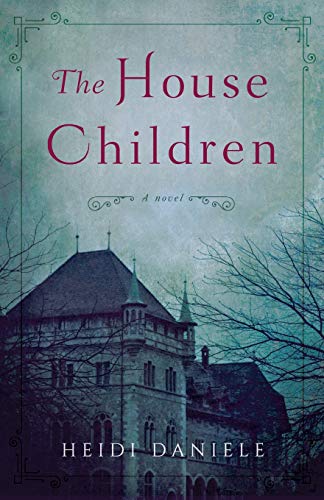
The House Children: A Novel
In early 1940s Ireland, six-year-old Mary Margaret Joyce is sentenced by a judge to nine years in The Certified Industrial School in Ballinasloe. Her crime? Being born to an unwed mother and left “destitute and not an orphan.” Her mother gave birth to her in the Tuan Home for unwed mothers and served her year of punishment there. She returns to her family, where life continues as usual. But Mary Margaret is sent to a foster home.
Now under the care of the Sisters of Mercy, she is given the number 27, and renamed Peg. Peg has no memories of her mother and longs for her own family and a mother’s love. Life with the nuns in the Industrial School is harsh and cruel. An exciting event happens when Peg is sent on a week’s holiday to Galway. Greeting her at the rail station is the kind lady who visited her occasionally in the foster home. Now she is married, and her name is Mrs. Hanley. Peg delights in her time with Mrs. Hanley, and her holiday ends all too soon with promises of another visit. This brief, idyllic time makes her return to school life more difficult. Peg lives for this one week a year with the Hanleys and wishes fervently that she could live with them, but it can never be.
Peg’s story reads like a diary, but her voice doesn’t change over time as I would expect from a child-to-young-adult first-person narrative. We do see into her thoughts, feelings of pain and emptiness, and conflicting emotions of anger, love and hate when she discovers who her mother is. The secrecy and shame of her origin carries with her into adulthood. I recommend this authentic account of the oppression and punishment inflicted by the Catholic church and Irish society on unwed mothers and their innocent children.