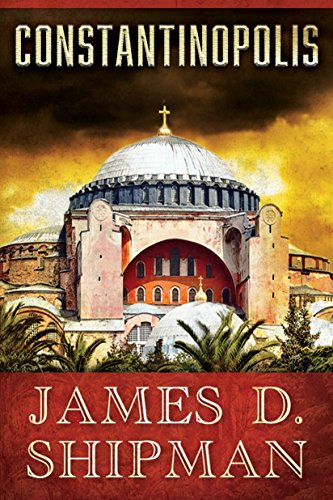
Constantinopolis
In 1452, in the Ottoman city of Edirne, the 21-year-old Sultan Mehmet confers with his trusted general. Mehmet is yearning to prove himself, for Turks consider him incompetent and too young to rule. Mehmet wishes to capture the jewel metropolis, Constantinople – unconquered for a thousand years. Although most on the Ottoman Council disagree, citing the city’s impregnable defense walls, and Byzantine’s naval superiority – fearing their Greek-fire weaponry – Mehmet devises a plan.
In Constantinople, Emperor Constantine “weeps,” worrying about the safety of his crumbling city. While being comforted by his mistress, a messenger brings news of the Ottomans amassing a large force outside Edirne. In a hastily convened meeting, Constantine’s advisers present him a baffling set of options: marry a Georgian princess, request assistance from neighbors and his brothers in Morea, unify the Eastern and Western Churches, or flee to Rome. While Constantine contemplates his choices, Mehmet puts in place his strategies, which include a secret weapon for use on the city’s walls.
James Shipman has employed the tools of historical fiction writing admirably in maintaining readers’ interest up to the ending. The novel transports us to mid-15th-century Byzantium, to observe the fall of the eastern Roman Empire, as we move with the characters as they think, speak, love, and fight. Inevitably the book is steeped in historical details, but presented in small measures. Although in dialogue the use of the “as you know…” syntax is a bit overused, it is enlightening to learn of both the Ottoman and Byzantine viewpoints, and the reasons for Mehmet’s and Constantine’s decisions. The novel would be of much interest to those unfamiliar with that period in history, and the author’s notes in the afterword assist in providing additional information and separating fact from fiction.