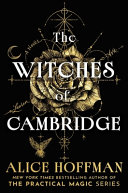
The Witches of Cambridge
In a time when “witch hunt” has become a politically charged phrase, Hoffman takes a thoughtful detour from her bestselling, multi-volume exploration of the magical Owens dynasty. Introducing new magical characters and families, she moves her focus to Cambridge, Massachusetts, in the 1950s as two young witches matriculate at Radcliffe College.
Redheaded Ava Abbot is bookish and shy, raised by her dour adoptive parents to see her strange abilities as evils to be suppressed, but knowing in her heart that she could use her powers for good. Platinum blonde Lauren Bell is her opposite—a child of privilege from a powerful magical Cambridge family, she is rebelliously drawn to the dark side of magic. Despite their differences, the girls are drawn into friendship that deepens when they are tapped as the two representatives of their year to join a witchy sorority in Lilith House.
Hoffman offers cozy descriptions of the “practical” folk magic practiced by the sorority; however, both girls also confront the misogynistic forces in both the mundane and magical worlds that are rising to prevent 20th century women from taking their futures into their own hands. The symbolism of the novel is hardly subtle; there are many references to the ongoing anticommunist McCarthy “witch hunts.” Ava must struggle with the fact that the boy she loves is the scion of the sinister Mather clan, the 17th-century witch-persecutors whose main target, an emigre witch named Rose Bridewell, left letters in the rare books of Harvard’s Widener Library for Ava to find.
The two timelines expand the narrative somewhat at the cost of our ability to connect with the two point-of-view characters, but fans of Hoffman’s unique take on witch lore and her customary light/dark approach to romance and suspense will continue to delight her readers.