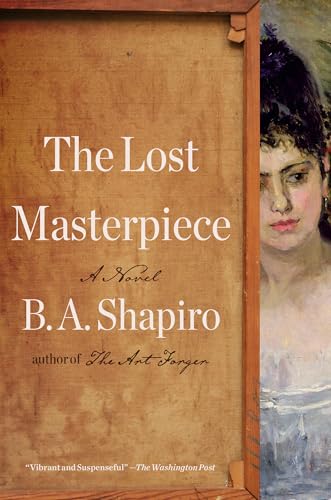
The Lost Masterpiece
B. A. Shapiro’s critical acclaim for The Art Forger gives her a high bar to clear with her new multiple-narrator book tackling both a Jewish “material claims against Germany” art treasure in the present and the Impressionist cabal of Berthe Morisot and the Manet family. Not only is the time scope broad, 1869 to 1921 and also “now,” but so is the geography—Paris to Boston.
Tamara Rubin is surprised to find that she’s a great-great-great-great granddaughter of the sometimes-outrageous Morisot, noted among the Impressionists for her tender domestic scenes. Through her third-person voice in the bulk of the book, it’s clear Morisot would rather be painting what the men around her are allowed: crowd scenes in the City of Light and along the river Seine. But in her time, it’s shocking that she’s attempting to paint in a group studio among the men, and to her dismay, the marriage eventually forced on her conspires to tighten the corset of convention further. What can she achieve for herself and how daring can she be without society shunning her efforts?
Shapiro explains (in an author’s note) that she’s modified “facts” for the four significant women in her novel—only one of them existed—and the most controversial artwork at stake, Party on the Seine, is fictional. Shapiro uses this reach of imagination well to convey Berthe’s constricted life and career, and splashes a thread of mystical behavior of the painting itself into the mix. The romancing and sexual risks in the tale come through as especially authentic (the painting’s “messaging” to Tamara, not so believable). Most powerful and resonant are the energy and poignance of Morisot’s life conveyed here, in a tale well worth savoring.