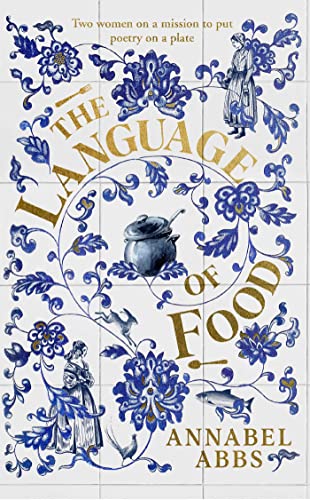
The Language of Food (UK) / Miss Eliza’s English Kitchen (US)
It’s not often you find a book that’s a real feast, but this is one of them. Annabel Abbs’ novel is based on the life of Eliza Acton, a Victorian poet who couldn’t cook, but who was forced to learn and became one of the most influential cookery book writers known.
London 1835: Eliza is unhappy because a publisher has declined her poems. Poetry is a man’s job, he says. He wants her to write something more suitable for a woman: a cookery book. She accepts, as her father has suddenly become bankrupt. Unfortunately, she has never cooked before, so she employs a young servant, Ann Kirby, and together they concoct recipes at Eliza’s boarding house in Tonbridge, Kent. Ann, her assistant, becomes her co-writer, and their developing friendship is told through alternate chapters narrated by both women.
Their recipes were later plagiarised by Mrs. Beeton, a plotline in the novel. But the main thrust is what these women teach each other, about life across the class divide. Secrets they both have are slowly and poignantly revealed.
Eliza’s poetry is woven into the story, and Abbs’ writing is lyrical. Eliza wants their recipes to echo “the truth and beauty of poetry”—the “language of food” of the title—and the sights and sounds of the kitchen are strongly evoked. Ann is described as “a slither of a girl, like a thinly flaked almond” and Eliza defines happiness “as if I walk on whipped meringue”.
Each chapter is delightfully headed with a recipe title that reflects the mood of the action. The recipes are at the back of the book for readers to try. A novel to relish.