The Girls Who Dared to Love
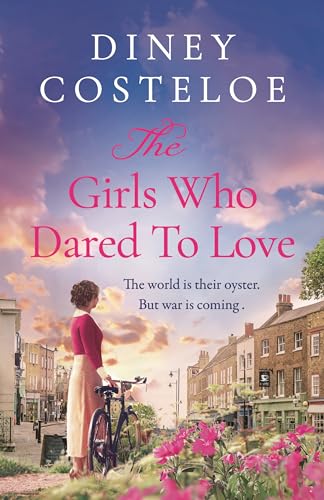
1914, London, and Lucinda McFarlane, presented for her coming-out into society, curtseys to the King and Queen. She launches into a whirlwind season of balls and socialising. It’s stressful: Lucinda is dressed by a lady’s maid, supervised by her mother, who must ensure her daughter makes a suitable marriage. Until then, Lucinda is constantly chaperoned.
Lucinda’s life contrasts with that of Mabel Oakley, daughter of a disabled clerk, and once a maid in the McFarlane household. Mabel must earn a living, and her mother is too busy for chaperoning. Mabel works in a print shop and cycles freely about town.
Both girls have their admirers, and Costeloe keeps up a brisk pace as a succession of handsome suitors compete for their affections. Who should they choose? Other women are introduced, their situations affected by marital status, wealth, and social expectations. Men, too, are constrained by class and familial expectations. They bear the burden of inheritance.
The book is easy to read and clearly written. Problems of love sweep through the whole book, but other difficulties tend to be dealt with swiftly, before they can become confusing. Love scenes are written with a good balance of physicality and delicate imagination. When war comes, well known events affect characters’ lives.
This book will please lovers of the popular historical romance genre. Opulent settings gleam, dresses are fabulous, men eloquently express their love, and kitchens are warm with affection. Christmas is celebrated in many ways, in many households, making this a likely festive gift. The ending leaves scope for a sequel, which I’m sure followers of this prolific author will hope for.