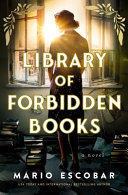
Library of Forbidden Books
Set in Germany between 1932 and the early years of WWII, Library of Forbidden Books is a tribute to the power of literature to defy authoritarianism. The novel was inspired by Helene Nathan, a director of a major library in Berlin in those years, though much of her life is fictionalized in this novel.
During the rise of Nazism, Helene becomes a leader in the struggle to protect libraries, bookstores, and literature in general. With the support of her family, friends, and other librarians, Helene finds ingenious ways to create secret libraries and hide books by Jewish writers and political dissidents that otherwise would be destroyed in book burnings. Helene takes enormous risks in these endeavors, and she is especially vulnerable due to her Jewish heritage. Helene’s efforts to preserve this part of German culture for future generations attract the wrath of Nazi leaders who want to eradicate any ideas that challenge their tyrannical vision of German society. Helene and her followers face the full range of Nazi terror—betrayal by informants, imprisonment, torture, and execution.
The author is a historian and prolific writer of WWII fiction, and readers will appreciate his in-depth knowledge of the pre-war era that serves as the backdrop for most of the novel. However, early chapters often describe or refer to internal political struggles among Hitler and competing Nazi leaders. While historically accurate, these details may distract the reader from the book’s central themes. When you are battling Nazis to save your culture, the ruthless infighting that occurred during their rise to power hardly matters. Nevertheless, Library of Forbidden Books is a welcome addition to that body of historical fiction that champions literature, libraries, and bookstores as powerful counterforces against cultural oppression.