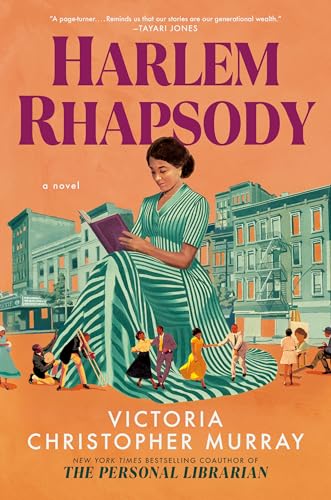
Harlem Rhapsody
An unsung heroine of the Harlem Renaissance gets her due in this glamorous narrative. Jessie Fauset was the editor of W.E.B. Du Bois’s ground-breaking magazine, The Crisis, from 1919 to 1926. She is credited with discovering and nurturing literary geniuses like Langston Hughes, Countee Cullen, and Nella Larsen, and wrote poems and novels of her own. Her life was an unusually privileged one as a member of the “Talented Tenth”: the movers and shapers of Black intellectual society and social justice in the pre-Civil Rights era.
Murray takes as fact the rumored long-term liaison between the famously womanizing Du Bois and Jessie, and this novel is primarily concerned with their complicated relationship. For that reason, the historical aspect consists of a lot of name-dropping of – and cameos by – famous figures of the movement, with the only real conflict occurring between Jessie and “Will” as they negotiate their personal and professional responsibilities. The vicious racial prejudice of the time is referred to and discussed, of course, but we don’t actually see any characters experience it – instead they live in the narrowly-bordered world of the wealthy and well-educated elite of Black society, enjoying hotels, clubs, and the cultural riches of the city with very little contact with white New Yorkers. This is deliberate, and probably a sensible choice because the author wants to focus on the accomplishments of these remarkable writers and civic organizers.
Jessie herself, as well as her beloved Harlem, is brought vividly to life, and Murray accomplishes the remarkable feat of making literary editing an active and interesting process. Readers who want to be immersed in the excitement of Jazz Age New York City’s discovery of these remarkable artists will enjoy spending time with the principled and brilliant Jessie.