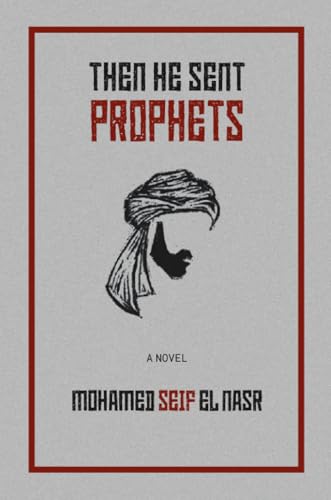
Then He Sent Prophets
In 1359, Zakaria is an earnest scholar living in Morocco with a devoted wife, complaining mother-in-law, and a wide circle of friends and associates with diverse points of view. He tries to live up to his own honest moral code amidst interfamilial strife and palace intrigue in the sultan’s court. He becomes conflicted when he loses faith in his own sultan for being involved in unsavory behavior. When his wife bears a sickly daughter, who is well-tended by a Jewish physician, Zakaria takes the opportunity to join the exiled king of Muslim Granada in returning to Iberia to regain his crown. Along the way, he endures even more political and personal challenges, and these seem to become even more disturbing when Zakaria grows exceedingly attracted to the exiled king’s beautiful sister.
Readers seeking the thunder of charging steeds and clashes of swords must look elsewhere, as this is an interesting character- and emotion-driven novel of a time, place and events not widely covered in Western literature. There are numerous characters, and a glossary would have been helpful in keeping up with them, though there is a simple and very useful map provided. Still, the characters, notwithstanding the long names, are one of the book’s most attractive aspects. Surprisingly, there are a number of genuinely humorous scenes, most featuring Zakaria’s good friend, Musa; Shaybah, an odd old beggar; and Zakaria’s wise grandmother, Tamima. Just as appealing as these and some other characters are, the “bad” ones are truly duplicitous villains. Though not what I anticipated from the short description, this book happily exceeded my expectations. Prepare to take part in the gamut of emotions from joy to excitement, tragedy and love. Recommended.