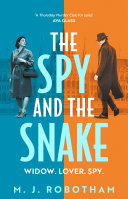
The Spy and the Snake
You’ve had cosy crime for over a century, so how about cosy espionage? Spy stories are typically violent and often dark. Not so The Spy and the Snake.
The central character is Maggie Flynn, a widow in her late forties with a grown-up daughter and a weakness for cream cakes. She has never used her gun and hopes not to. Nobody gets seriously hurt in this story, although they have some good meals and some refreshing visits to thermal baths.
Not that Maggie is inexperienced. In her youth she was an adventurous intelligence officer for MI5 (Britain’s counter-intelligence service) but promotion brought with it long boring years in a desk job in London. Suddenly in May 1968, she is snatched from her desk to exfiltrate a British agent from Communist Hungary.
MI5 is not meant to deal with overseas espionage—that belongs to MI6 (the Secret Intelligence service)—but MI5 has its reasons for wanting the agent. The plot is more to do with the rivalry between the sister intelligence services than with Cold War politics, though this does not preclude several high-speed car chases under fire.
Does it work? I’m not sure I understood the plot or who was betraying whom. But that goes for most spy novels. The book is entertaining, witty and has a strong sense of atmosphere, particularly office life on London and everyday life in Communist Hungary. I still feel guilty about making a game out of violence, yet I am sure I will read more of Robotham’s work.