The Lilac People
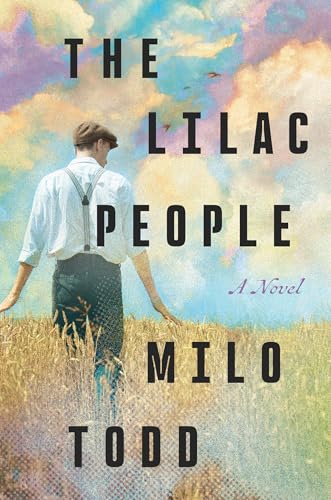
Bertie, a trans man, and his girlfriend Sofie have survived the Second World War by hiding in plain sight in rural Germany. When a young trans man, Karl, dressed in a concentration camp prisoner’s uniform, collapses in their asparagus patch, they realize that the danger is far from over. The Lilac People tells the story of the life Bertie and Sofie cultivated in 1930s Weimar Germany, the rights they had begun to enjoy before Hitler’s rise to power, and the terror they faced as those rights were stripped away. As the liberating Allies continue to persecute homosexual and transgender people, Bertie and Sofie vow to keep Karl safe.
This is an important novel that sheds light on the progressive environment of the Weimar Republic and offers a stark warning about how societies can turn on their most vulnerable. It also reveals how the Allies continued to oppress those already targeted under the Nazis. Milo Todd portrays Bertie’s emotional turmoil—survivor’s guilt, grief, and hope—with authenticity and care. Rich historical details are woven into the storytelling, and the bond between reader and protagonist feels so genuine that it creates a strong sense of empathy. The Lilac People is a beautiful and sobering story that offers both a compelling narrative and a reminder of the vigilance required to protect human rights.