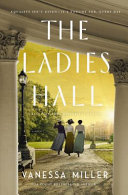
The Ladies Hall
The title refers to the women’s residence at Oberlin College, one of the earliest colleges to admit women and African Americans. Three young ladies are members of the first class of Black women who would graduate in 1884, and who in later life would become prominent activists: Mary Church Terrell, Anna Julia Cooper, and Ida Gibbs Hunt. Mary and Ida are from wealthy families, while Anna’s is poor; she can only afford to attend by working on the side. The three enroll in the four-year “gentlemen’s course” rather than the easier and shorter “ladies’ course,” and achieve high marks, despite jealousy and opposition from some of the white students, such as not wanting to sit next to a Black student in class or being told where Black people may sit in the dining hall. Mary finds that family wealth doesn’t counter prejudice, when she loses literary society debates and elections because of her race. Other white students are supportive, as is the house mother of Ladies Hall, but Mary feels that the struggle for acceptance is so difficult that she moves out of the Hall and boards with a local Black family. But her father says he sent her to a predominantly white school to learn how to fight, for both herself and for others who cannot, and that someday she will change the world.
Besides learning African American history, readers will burn at the injustices the young women face in attempting to get an education but also rejoice when they make steps forward in the fight for equality. An author’s note tells what happened to the girls in their storied careers after they left Oberlin, and explains some changes Miller made to the timeline, which bits are fictional, and gives a bibliography of sources for further reading. Recommended.