The House on Peace Street
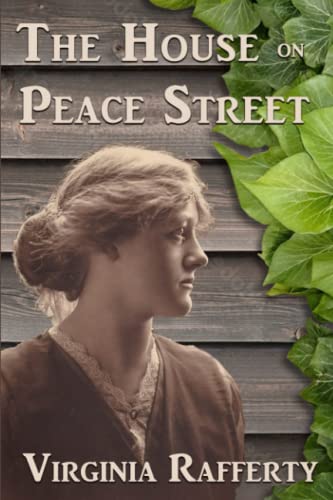
The House on Peace Street is the saga of the four Rebarchack children who lose their father to a mine accident in 1904, when 13-year-old Robert is vaulted to head of the family. He and brother Rudi work in the mine, until they enlist when America enters the war. Sisters Ceci and Ilona work at the mill until Ceci marries a mine worker in 1911 and Ilona joins the suffrage movement and becomes a volunteer nurse. The novel takes readers through the war years into the 1920s, documenting events partly through letters from Robert to his wife, Anna, and partly through events for sister Ceci, who lives on Peace Street, where she and her husband raise their three children until his tragic death in 1918. Ilona apprises Ceci of events in her world where women are working hard to get the vote, but they hear little from Rudi, who goes AWOL and ends up serving a five-year sentence before returning to the fold.
Despite being scattered by world events, the siblings remain close, returning to a world which has undergone tumultuous change; war, plague and social upheaval have altered life for everyone and no one is untouched by loss. Working through her own tragedies, Ceci and the Peace Street house remain the focal point around which her siblings and their families revolve. The novel is based on the author’s family history and moves chronologically using short passages, often switching from one family member to another so fast that the author’s love for her subject doesn’t always translate into an immersive reader/character connection. I sometimes wished to dwell longer. This is a well-written, tender family history which illuminates a second-generation East-European experience of life in America.