Walking the Tightrope: Hannah Kent on Historical Accuracy & Speculative Biography
by Elizabeth Jane Corbett
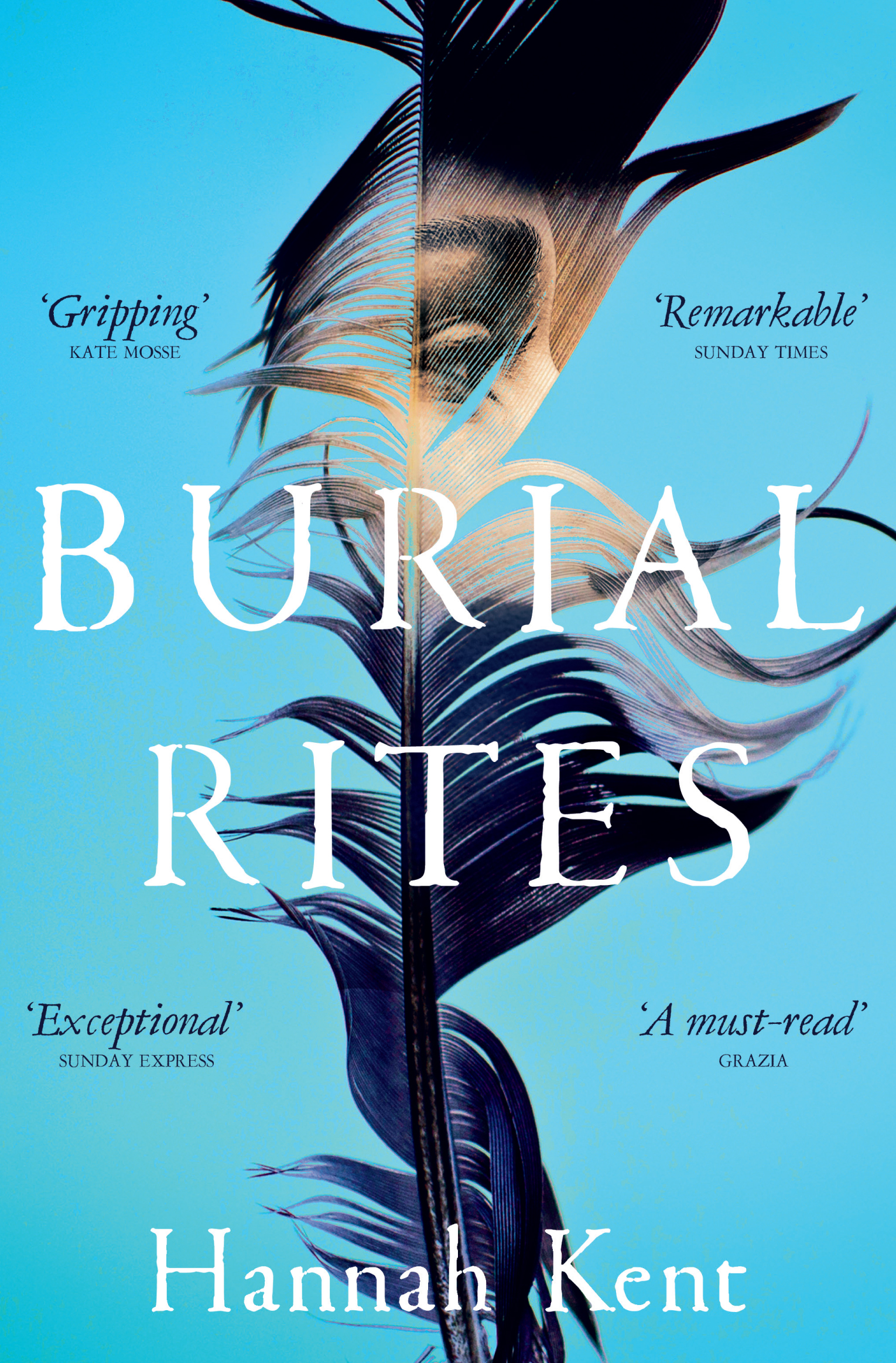 Despite its bleak subject matter, the reception of Hannah Kent’s debut novel, Burial Rites, reads like a fairy tale. Initially embarked upon as part of a creative writing PhD, the manuscript languished in a drawer for five months before being submitted for Writing Australia’s 2012 Unpublished Manuscript Award. After winning the award, Kent received a mentorship with American-based, Australian writer Geraldine Brooks. Published in 2013, Burial Rites has since been shortlisted for the Guardian First Book Award, the Australian Stella Prize and the Baileys Women’s Prize for Fiction.
Set in the late 1820s, Burial Rites tells the story of Agnes Magnúsdóttir, the last woman to be executed in Iceland. In her final months, Agnes resides at the home of a local government official. Kent’s version of the story is told in Agnes’s first-person voice, and from the multiple, third-person viewpoints of her custodians. It has been described as mixture of ‘death-row novel, Gothic romance, and feminist revisionism,’1 and how an Australian PhD student happened upon the subject is as much a part of the manuscript’s trajectory as the grim legend it conjures.
Kent initially stumbled across Agnes’s story as a seventeen-year-old exchange student. She recalls driving past a valley mouth ‘pimpled with hillocks of earth’ and having the execution site pointed out to her.”2 When asked whether the homestay experience informed her depiction of Agnes’s time in custody, Kent is quick to deny the connection. ‘I’m reluctant to compare my situation with that of Agnes Magnúóttir, although I understand why some assume my exchange year informed my representation of Agnes’s experiences at Kornsa.’ Nevertheless, Kent has visited Iceland often since her return to Australia. Whether inspired by her exchange, or subsequent visits, she vividly evokes the cold, the isolation, a strange landscape, and the sense of being an object of curiosity.
In addition to the voices of its characters, Kent utilises primary documents to advance her narrative. Nestled among these is a fictional correspondence between Reverend Jóhann Tómasson, Agnes’s spiritual advisor, and district commissioner, Björn Blöndal. Kent hastens to point out that these letters are rooted in research, drawing inspiration from the letters of other nineteenth-century clergymen. Regarding historical accuracy, Kent is particular, preferring the term ‘speculative biography’ rather than historical novel when describing her work. Asked about the responsibility of assigning motivations to historical characters, she says: ‘As a novelist I don’t have qualms about invention, as long as I’m certain that I have no other choice but to invent.’
Kent spent years researching Burial Rites. There came a point, however, when in possession of all known facts, she realised she would have to start writing. In a candid article, Kent describes this moment. ‘People speak of the fear of the blank canvas as though it is a temporary hesitation, a trembling moment of self-doubt. For me it was more like being abducted by a clown, thrust into a circus arena with a wicker chair and told to tame a pissed-off lion.’3
Hardly surprising for such an ambitious first project, but with success under her belt, I asked Kent how the creative process was going the second time around. ‘I don’t think I’ll ever rid myself of the shadow of fear,’ Kent admitted. ‘That’s not a bad thing. Doubt can keep the ego in check. It can be galvanising… and while there are many days that I yearn for increased confidence, I think my uncertainty will serve me better in the long run.’
Kent’s next novel will be set in 1820s Ireland. Whether it will enjoy the same fairy-tale run as Burial Rites is not the only matter for speculation.
Notes:
1. Etherington, Ben. ‘The real deal’, Sydney Review of Books, November 8, 2013.
2. Kent, Hannah. ‘Keep calm and carry on: an unexpected path to publication,’ Kill your Darlings, April, 2013.
3. Ibid.
About the contributor: ELIZABETH JANE CORBETT works as a librarian, teaches Welsh and blogs at www.elizabethjanecorbett.com. Her short story, ‘Beyond the Blackout Curtain,’ won the Bristol Short Story Prize. An early draft of her first novel, Chrysalis, was shortlisted for a manuscript development award. She is working on a final round of edits prior to submission.
______________________________________________
Published in Historical Novels Review | Issue 69, August 2014