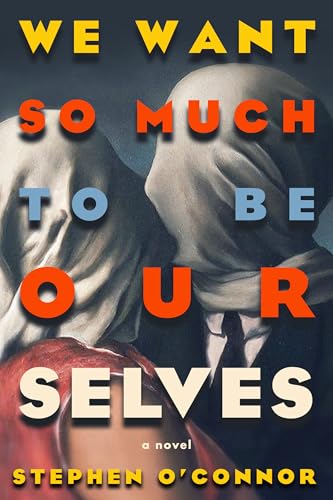
We Want So Much to Be Ourselves
The novel opens in 1924 and follows Günter Zeitz, an eager student of psychoanalysis. Arriving in Vienna from Coblenz, he approaches Sigmund Freud in hopes of persuading him to teach him. Günter later moves from Vienna to Berlin as the rise of fascism begins to take hold. His journey is marked by passion, love, anger, loss, fear, terror, and madness.
While studying and undergoing psychoanalysis with Freud, Günter meets a fellow patient, Josine Rosen. Josine is Jewish and Günter is a gentile, yet they share the belief that they “cannot believe in God.” Their relationship flourishes as Günter begins to distance himself intellectually from Freud. At a conference on psychoanalysis, Günter debases what he sees as the absurdity of Freud’s theory of the death drive, an act that ultimately results in a job position in Berlin. Freud later delivers a response during Josine and Günter’s wedding toast, intimating that the death drive itself is the source of Hitler and the rise of fascism.
The couple move to Berlin for Günter’s position at the Polyclinic of the Psychoanalytic Institute. They have a daughter, Hanna, whom Günter deeply loves, and the family lives together for several years. But a disturbing betrayal alongside the rise of Nazism profoundly shapes both Günter’s and Josine’s lives as their relationship bifurcates and carries them in very different directions.
The plotting of the narrative allows the timeline to slow down and leap forward without sacrificing continuity. The act of deceiving oneself, loving amidst trauma and atrocity, the moral dilemma to participate in evil or face the consequences, emerge as penetrating forces within the story, adding depth to an already rich novel.