The Racing Line
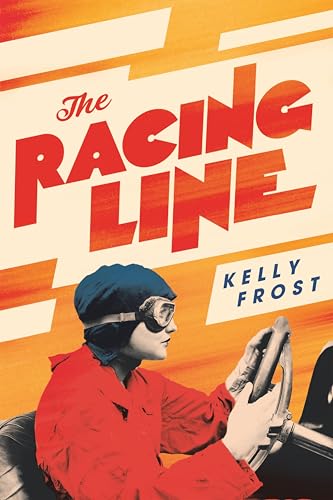
At the victory celebrations at the end of the Second World War, Winifred (Freddy) Vaux meets up with an old school friend of her brother, Vernon. He asks her to dance and she refuses. He then challenges her to a car race; if she loses, she’ll dance with him. Having driven various vehicles with the ATS (Auxiliary Transport Services), Freddy is confident she will win. But just as she approaches the finish line, her engine stalls, allowing Vernon to overtake her. During the preparations for her marriage to Vernon, Freddy meets Vanessa (who makes her wedding dress) and introduces her to the world of rally driving. Freddy loves driving and is talented at it. She then has to balance pursuing a career racing with the demands and restrictions of married life.
The Racing Line charts the highs and lows of Freddy’s career between 1947-1968 and examines the hostility and obstacles she faces from most of the other (male) drivers, as well as the organisers of various rallies and championships. It also depicts the domestic abuse Freddy suffers at the hands of her husband, which gradually escalates and worsens until the midpoint of the novel. The characters are generally believable, and feel rooted in the period, especially the casual sexism Freddy encounters on the racing circuit.
This novel is based on an amalgamation of real female racing drivers who challenged the male dominance of race driving in the 1940s-1960s (as Frost explains in her author’s note). As a result, it is an interesting read, although the domestic abuse storyline is harrowing in places.