Launch: Désirée Ohrbeck’s The Scandinavian War Bride
INTERVIEW BY ANNE EASTER SMITH
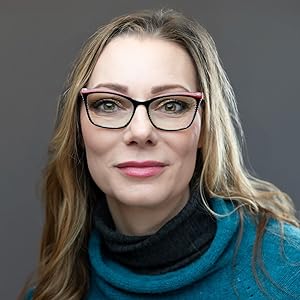
Born and raised in Denmark, Désirée Ohrbeck now lives in the Pacific Northwest with her family. Desiree holds an MA in Nordic Philology and History and taught Scandinavian Studies at the University of Washington from 2010 to 2016. Her writing reflects a belief that ordinary women often carry the most extraordinary stories.
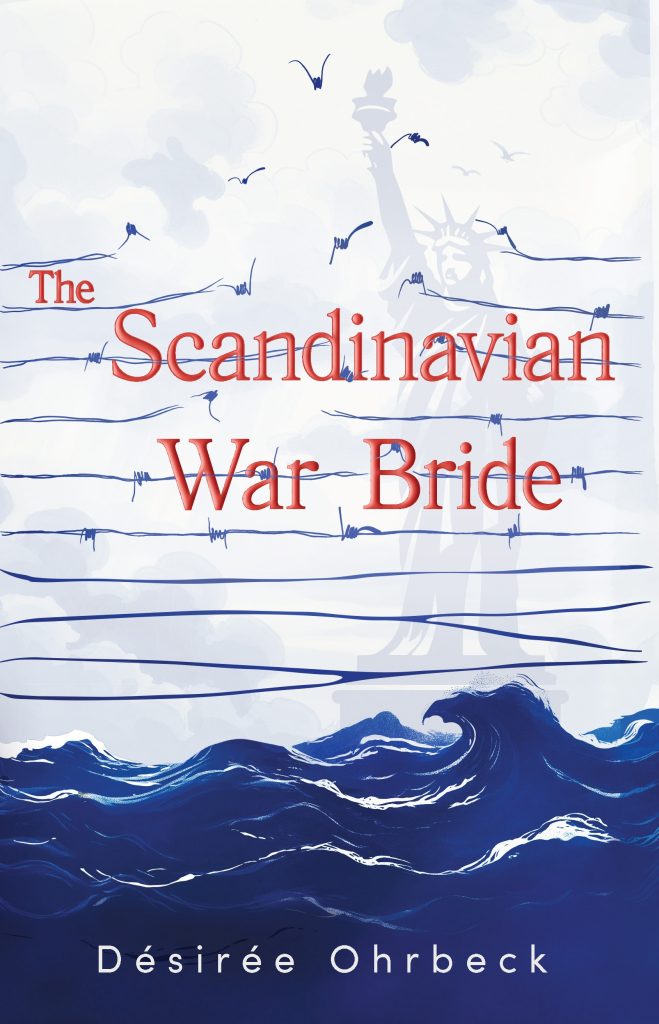
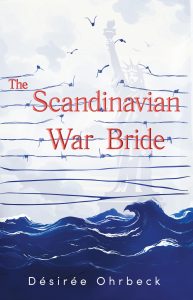 How do you like to describe The Scandinavian War Bride?
It’s a story of perseverance, hope, and determination, but also of heartache, loss, and broken dreams. Based on my Danish grandmother’s letters to her mother after moving to USA as a war bride, a story emerged not only about a remarkable chapter in history, but about identity, belonging, and the enduring pull of love: for family, for culture, and for the place we call home.
Let’s start with your grandmother, as she is who the story is based on. What inspired you most when you discovered those letters?
Reading those more than 150 letters my grandmother wrote from America to her mother in Copenhagen, I was struck by how familiar her dreams felt. She, like me, left her homeland in search of a better life—far from the family she had been given. I found that I crossed three generations. I felt a deep connection to my grandmother’s experience, and there were so much I could identify with as someone who has changed cultures, changed countries, left a family where maybe my circumstances weren’t exactly ideal, just like hers. For sure, there are some similarities between her and me.
Did your mother give them up willingly?
I knew they existed and I asked her if she would—if I could have them and read them, and she wasn’t willing to send them to me here. She was afraid if we lost them, then what, right? Finally, when I asked, she took pictures of them and sent them on phone to me, and then I sat and transcribed them into one big document.
How did you feel when you finished reading them?
I was very, very close to my grandmother, closer to my grandmother than to my own mom. And I recognized so many sentences and words that she I grew up with, that she would speak, and then I saw them in the letters that she wrote to her mom, and it was just a connection that it was almost like she was next to me again, and I felt so much love and frustration for her, and, it was like I got to meet the younger version of my grandmother before she went through everything. I saw this young woman full of hope and dreams and resilience. And on the other side, I experienced her as my grandmother, and I was very emotional as well as very, very touching.
This is the first of a trilogy, right?
Correct. This book ends when she sails to America and later books will continue to incorporate what being a war bride meant once she reached the US. But I wrote them to be standalone books. Her life started at home in Denmark, then she went to America, and then she came home. Sort of a circular story, but not to give too much away, we leave her when she goes back to Copenhagen.
Did you write the book in your native Danish or in English?
I wrote in Danish and translated it myself with the help of my daughter, and a UK editor/writer, whom I paid. Finally, one of my former colleagues at University of Washington (where I taught) went over it, because of course, there are really things that my Danish brain won’t even see.
You chose to write fiction when in fact this was your grandmother’s story (although the names have been changed). Why not narrative non-fiction or memoir?
I chose fiction for several reasons. For one, it gave me the freedom to make things up. I felt more liberated in an artistic sense, I guess, to fill in gaps, and I could get inspired from other stories or ideas I had, and then I also wanted to have three different sisters with ordinary lives living through extraordinary times. They all want the same, but they go about it in three different ways. They choose, very deliberately or, in one case, I guess, less deliberate, to go after what they think will bring them a better, happier life. And that is, I think, what we all want. So that’s why I also wanted that freedom fiction gives you to create a story I felt where the plot would work and the storyline and all that. But, yeah, there were three sisters and those things I write about happened to them. I have changed the names, of course.
Tell us about your parallel journey.
Without going into detail, I went to live with my grandmother outside Copenhagen as I was much closer to her than my mother. She brought so much of her love of America back with her and I grew up with that love. I was fascinated. I got a Master’s degree in Nordic languages and philology, which allowed me to teach in high school, but then I had the chance of a job at the University of Washington for two years as a visiting lecturer in the Nordic Studies Department, and I am still here! In fact, on the first date with my husband, Andreas, we talked about our dream to move to America, and to try and live there for a while. His parents had lived for a time in California. He found work in Seattle in technology, and I told him I kind of knew after three months that I had been born in the wrong country!
 Have you read anything lately that you could recommend to HNS members?
Because I feel a little uncomfortable with my male characters, and it’s hard for me to write them and find inspiration for different personalities, I am reading a book called The Things Our Fathers Saw—World War II Generation Speaks by Matthew A. Rozell. It’s about war experiences from a male perspective, and it has been very inspirational for me to go in there and, you know, read, think, create my own thoughts about it, and then try and find multifaceted things to put into my male characters.

HNS Sponsored Author Interviews are paid for by authors or their publishers. Interviews are commissioned by HNS.