The Peccavi Plot
In 1876 London, Henry Gough drives his cab through foggy streets, trying to make a decent living. He owns his own cab company; however, supporting his wife as well as a mistress and a multitude of children isn’t easy. So Henry slides into the illicit whisky trade to supplement his income. However, the Excise Detectives, a small band of revenue officers not connected with Scotland Yard, catch him in their net. In exchange for clemency, Henry agrees to work with the police to catch other bootleggers. When he witnesses a murder, Henry becomes enmeshed in a plot that endangers the highest in the land. He’ll need all of his knowledge of London and its dangerous streets to unravel the deadly plot and save the endangered target.
The Peccavi Plot’s core is an intriguing mystery, and the characters and setting are interesting, but I had a few problems with the book. First is the pacing: the first 125 pages tells us all about Henry from age three to his mid-forties. This background isn’t necessary.
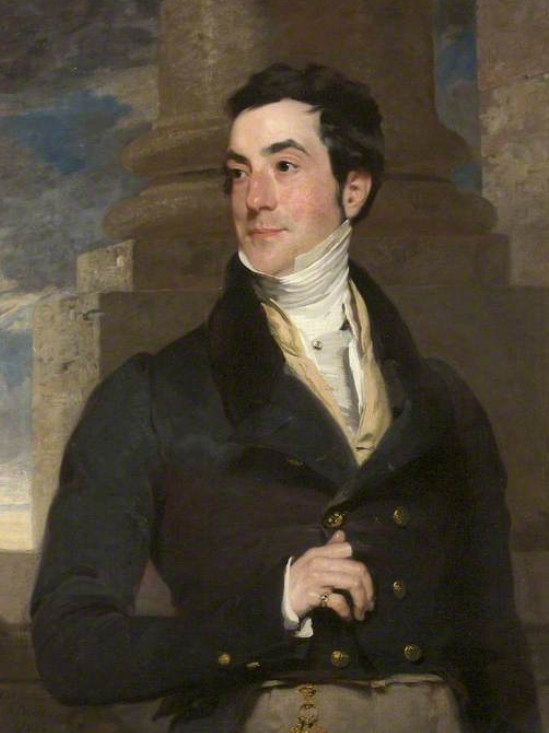
A more serious problem: the plot hinges on a telegram supposedly sent by Charles Napier in 1843. According to popular belief, Napier announced the annexation of the Indian state of Sindh by sending his superiors a telegram that read simply “Peccavi” – Latin for “I have sinned” (Sindh). But Napier never sent such a witty message. It comes from Punch magazine; the actual originator of that clever phrase was Catherine Winkworth. This fallacy quickly became embedded in popular culture, and Hurst’s book treats it as fact. If any character had corrected the others about it, this would have covered the problem.
Readers should know that despite the book’s writeup, the novel takes place in England. Those expecting to travel to the plains of the Indian Raj and the grand estates of Tsarist Russia won’t find themselves there. While The Peccavi Plot offers an entertaining plot and an exciting race against time to stop an assassination, readers may find it disappointing.