The Faerie Morgana
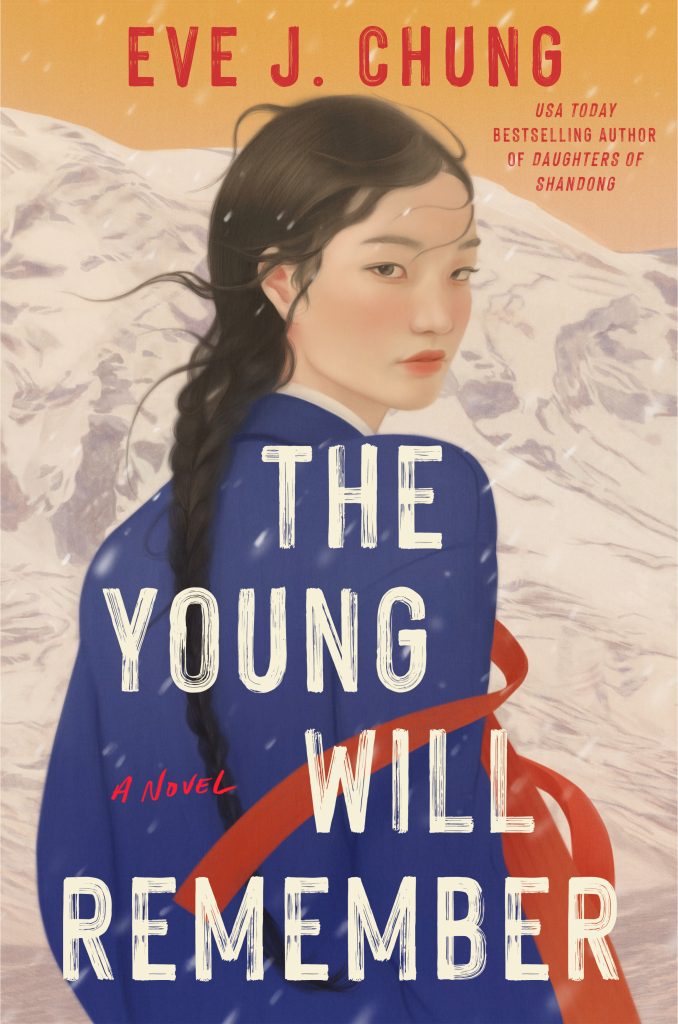
This follows the life of Morgana (Morgan le Fay) from the memory of her mother sending her away at the age of four with the Blackbird (Merlin). He takes her to the Isle of Apples (Avalon), where she is trained as an acolyte and eventually becomes the most talented of its nine priestesses. She helps her half-brother Arthur draw the sword from the stone and later serves as his advisor at the court of Camulod. After his death in battle, she returns to the Isle. Since Morgana is devoted to safeguarding the kingdom of Lloegyr and Arthur, the true king, others must cause its downfall, and here the threat is posed by external invasion and by traitors within: first her stepfather Uther, then Gwenvere, whose superficial beauty masks a selfish nature. And worse?
This is historical fantasy, where magic influences human behaviour for good or ill, seers scry, shapeshifters transform, and the Fae are a danger to humanity. The author’s choice and adaptation of elements from traditional Arthurian lore is interesting; her attention to the relationships among women is insightful, particularly the contrast between the close friendship of Morgana and Braithe, and the petty jealousies among the acolytes and priestesses; and Uther and Gwenvere’s façade of charm during wooing before turning abusive after marriage is a pattern of increasing concern in modern society.
But while the struggles of the impoverished and use of herbal medicine feel authentic, the broader historical context is confusing. The Fae evoke a prehistoric era, Arthur fights both Roman legions and Saxon raiders simultaneously, and the sprawling castle of Camulod with its knights and Round Table belong to the late Middle Ages and world of romance. The contrast between appearance and reality is valuable, but readers looking for historical verisimilitude may find the novel disconcerting and uneven.