Centroeuropa
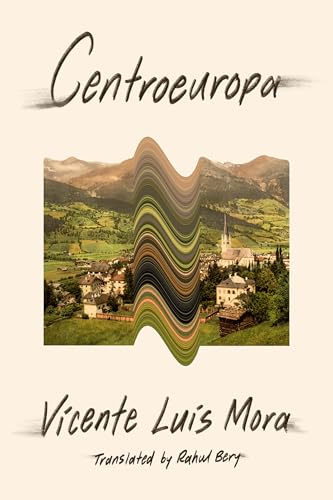
Centroeuropa is the tale of a widower, Redo Hauptshammer, who claims a plot of land in Prussia during the early years of the 19th century. He is looking for a burial place for his wife, as well as land on which to farm sugar beets. What he was not prepared for was to unearth a corpse as he broke ground.
And then another, and another…the corpses keep emerging as he digs. Moreover, they are all frozen and from various periods of history. Even when above ground in the sun they will not thaw. They are evidence of the countless wars that have ravaged the land. Most, but not all, of the uniforms are identifiable, marking the shifting identities through history.
So begins the problem—what to do with the bodies? The story is of the gradual telling of the laborious bureaucratic process Redo takes to try to resolve this: each appropriate step taken, the obfuscation (with deepest sympathy, of course) from the government, leading finally to helpless inaction by the authorities. Redo’s own solution is elegant and cements his retreat and isolation. Over time, the history surrounding Redo emerges—how he met his wife, what their lives were like before, how he ended up there, and importantly, his relationships with the townsfolk.
Written as a narrative, the story unfolds almost as a confession or an apologia. Dialogue is not broken up into separate paragraphs, but the interlocutors are easily distinguishable by use of italics. The pacing is languid, with long paragraphs (one clocks in at over five pages). It gives the overall effect of a personal internal memory rather than a present-day interaction between two people.
Centroeuropa is a short book, but not a quick read—it resembles more of a multi-layered experiment by a master storyteller.