The Woman with the Stone Knife
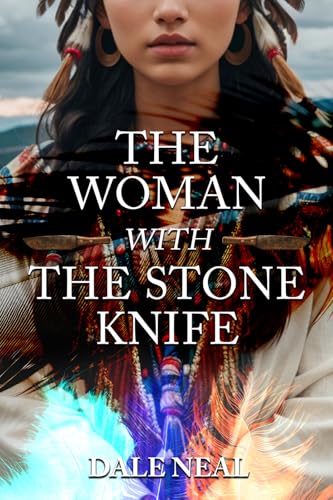
Dale Neal reimagines the life of Helena Ostenaco Timberlake—a woman barely a footnote to history, who came forward in 1786 claiming to be Lieutenant Henry Timberlake’s widow. Helena was born in Tomotley, a Cherokee Overhills town in East Tennessee, daughter of the Tsalagi (Real People) war chief, ‘Mankiller’ Ostenaco. In the aftermath of the Anglo-Cherokee war, Henry Timberlake, an emissary to the Cherokee, arrived in Tomotley, where he and Helena fell in love. Henry escorted a delegation of chiefs to England in 1762, for an audience with King George. Upon their return, British troops broke the promises of peace, and a second trip was made to beg the king to intercede and rein in his out-of-control subjects. Helena accompanied Timberlake on this second trip, leaving behind their two-year-old son in Tomotley. Henry stood surety for the cost of escorting the first delegation, and upon his arrival back in England in 1765 was summarily arrested, thrown in debtor’s prison, and shortly died, leaving an extensive memoir. Helena’s story is as compelling as it is heartbreaking and gruelling.
From this reviewer’s standpoint, the novel’s only fault is its ill-chosen title. Beyond that it is a truly impressive work, beautifully written and remarkable for its depth of emotion and ability to draw the reader into this little-known world. Neal’s research seems impeccable. His scenes of Cherokee life represent an astute reading of the culture and times, filled with colour, vitality and compassion: surely a stunning tribute to Cherokee history. For an author who claims no Indigenous heritage to take on a story which relies so heavily on an understanding of Indigenous life and its people is a courageous endeavour, and I can only hope Neal’s novel reaches the broad readership it so richly deserves.