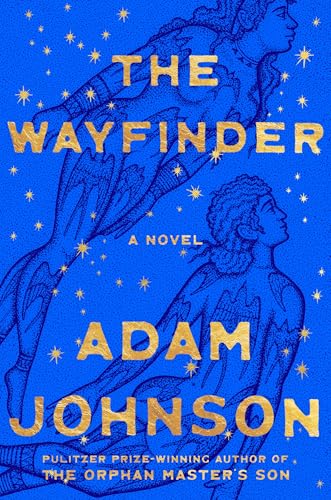
The Wayfinder
This lush epic, set in the Polynesian islands during the pre-colonial Tu’i Tonga Empire, moves between myth and memory, drawing on the region’s rich oral storytelling legacy. Its protagonist, Kōrero—whose name means “to speak”—is a young island woman whose people face starvation and the threat of extinction. While scavenging among gravesites, she discovers a necklace with a fishhook pendant. Soon after, two Tongan princes arrive on her island, castaways fleeing their uncle’s violent regime. Curious about navigation and desperate to help her people, Kōrero joins them in their search for a life-sustaining island just beyond the horizon.
The Wayfinder is steeped in mythology and magic, dizzyingly shifting between historical fact and fantasy. Talking corpses, wise parrots, and an abiding sea, both hostile and life-giving, populate the narrative. There are graphic public executions and mutilations and a fantastic place where every extinct species of animal and plant lives. Like oral storytelling itself, the prose is layered, moving between points of view and time periods. This can make the book challenging, but also wholly immersive and unputdownable.
Part of Johnson’s genius lies in how he shapes Kōrero, who comes to realize her civilization is dying and the past, present, and future lie in the stars. The firmament above becomes both a map to a new island and a guide to her people’s place in the universe. This is a story about the past, but also the future: about the unyielding power of empire and the violence of domination, but also the enduring drive of individuals to claim their own destinies, even against all odds.