The Queen’s Spade
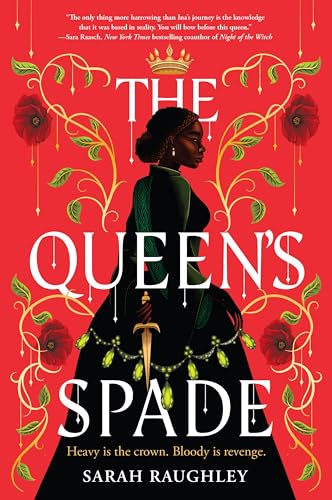
This potboiler of a tale of a kidnapped Yoruban princess turned vengeful assassin is, according to the author’s afterword, “very loosely” based on the life of Queen Victoria’s adopted African goddaughter, Sarah Forbes Bonetta. Set mostly in 1862, the (entirely invented) activities of 19-year-old Sally are anything but genteel; she masks (with ladylike charm) her loathing for the English “benefactors” who rescued her from the Dahomey wars in West Africa, plotting to destroy them one by one under cover of the restrictive rules of Victorian society. Familiar with the opium dens and brothels that were far more popular with the aristocracy than were parlors and recitals, Sally enlists the help of various underworld figures in luring her victims to their well-deserved fates.
The novel reads like a fanfiction blending of Peaky Blinders and Bridgerton, with modern slang and very little subtlety as to Sally’s motives and inner thoughts. Sally narrates her own story in the voice of a cartoon supervillain; this may appeal to its intended young adult (14-18 years) audience, but adult historical fiction fans may wish for less telling and more showing. Sally’s irreverence can be amusing, but the plot has very little internal coherence as Sally traipses back and forth from court to brothel with wildly un-historical freedom. Her English adversaries are uniformly oafish and bland; her allies (Asian and African expats like Sally) express their (justified) contempt for the Empire in post-colonial-studies textbook platitudes. Ultimately, adult readers will find her impossible intrigues, inconsistent voice, and many, many foolish choices more frustrating than amusing—but readers who are satisfied with generous helpings of snark at 19th-century Victorian hypocrisy might find this diverting.