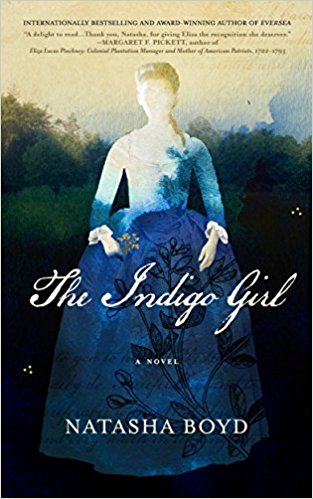
The Indigo Girl
With her younger brothers away at school in England, and her father’s departure, 16-year-old Eliza Lucas is left to manage three plantations in South Carolina’s Low Country in 1738. Her father, leaving to further his naval career in the West Indies, has prepared her for this responsibility. However, the smart, feisty, and determined Eliza has a heavy burden to make the plantations produce, as her father’s career has unduly strained their finances.
Learning how much Europe is willing to pay for indigo dye, she believes that crop can save their dwindling wealth, and decides to attempt its cultivation at Wappoo, their main plantation. Obstacles are at every turn: her foolish and unsupportive mother, who wants to marry her off to the first wealthy suitor who will offer for her; uncooperative workers; local laws against educating slaves; and overseers who disdain taking orders from a woman. She receives encouragement from an elderly local botanist and also from family friend Charles Pinckney, but after one failed crop, Eliza requests that her father send an expert to help. It arrives in the person of an old friend, the enslaved Ben, which causes further confusion and disruption in her life.
Boyd excels in her descriptions of coastal South Carolina and its climate, in the intricacies of 18th-century colonial society, and in her strong characters. Her information regarding indigo production adds interest to the narrative. Eliza is an engaging heroine, both compelling and realistic, who discovers her strengths and capabilities amid a series of setbacks and frustrations. This is a solidly researched and well-crafted story based on the life of a woman, Eliza Lucas Pinckney (1722-1793), largely forgotten today, but who left an important legacy.