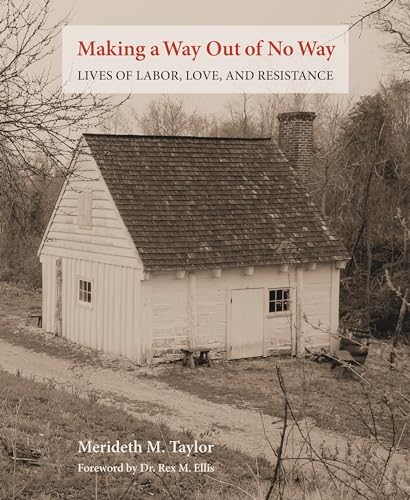
Making a Way Out of No Way: Lives of Labor, Love, and Resistance
This book changed my view of the lives of enslaved people in the U.S. in the 18th and 19th centuries. Taylor uses very short stories, flash fiction one or two paragraphs long, to depict lives of enslaved men, women, and children working on tobacco plantations in Maryland, particularly Historic Sotterley. The characters find ways to survive and defy their owners: a fence builder lightens his job by making up stories about animals as he works, Alonzo has a forbidden drum his grandfather made, hiding it from his master; Della seeks a potion from the Obi woman because her daughter is too young to be having a baby by the master, and a father teaches his son, on a rare Sunday off while fishing at night, about the stars and how to follow the north star to freedom if the opportunity comes.
Photographs by Taylor accompany each story, taken of everyday objects such as an old chair, antique glass bottles, or a violin. Some of the characters appear in multiple stories. Taylor was able to interview a descendant of some of those enslaved at Sotterley, an encounter that led to the creation of this book. Also, Taylor was part of a team that developed an exhibit on enslaved and free workers on the plantation, giving her additional background for these stories. She met with descendants of the enslaved who had worked on the Jesuit-owned plantations in the area, who wished they knew more about the lives of their ancestors. While fiction, this book would be wonderful supplemental reading for an upper-grades unit on the history of slavery in the U.S., sparking students’ discussions on how they themselves might have coped with bondage and survived. Highly recommended.