Love, Sex & Frankenstein
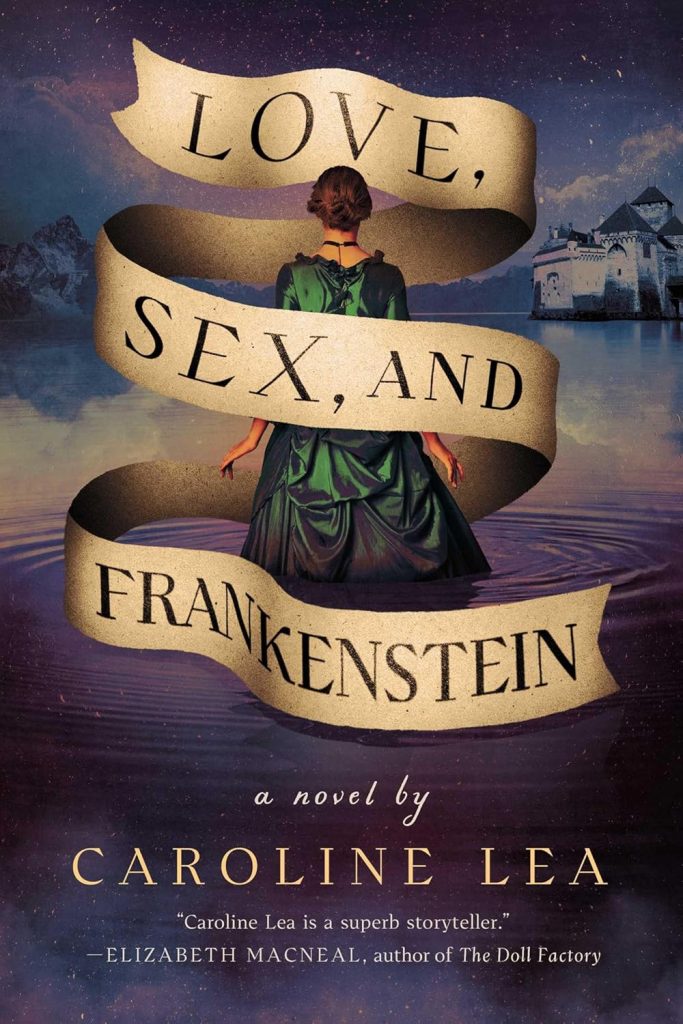
In 1816, Mary Shelley famously visited Lake Geneva with Percy Bysshe Shelley, their baby William, Mary’s stepsister Claire, Lord Byron, and Lord Byron’s doctor John Polidori, who was also a writer. It was an uncommonly stormy summer, and the group decided each person would write a ghost story. Mary Shelley’s contribution, of course, was what became Frankenstein.
This isn’t the first novel that has been written about this gathering—an earlier one, Mary and the Birth of Frankenstein, by Anne Eekhout, was reviewed in this publication—but it may be the best. The Mary Shelley of this novel is a silently raging, deeply feeling, imperfect heroine whose actions in the novel are not predictable, despite this being a well-known part of her life.
In the novel, Mary has ignored her innate instincts in order to placate her fickle lover, Percy Shelley, who is also sleeping with Mary’s stepsister Claire. Mary’s first baby has died, Percy has behaved horribly to her, her father has abandoned her, and she feels powerless about it all. As she develops her ideas for her ghost story, however, she reconsiders her memories and comes to a greater understanding of herself.
The novel unfolds revelation after revelation, in a gripping progression that feels completely authentic. Fans of Mary Shelley will clearly find this a worthwhile read, but it also finds a place in the canon of feminist stories about women forging their way in difficult circumstances.