Last Days in Moav
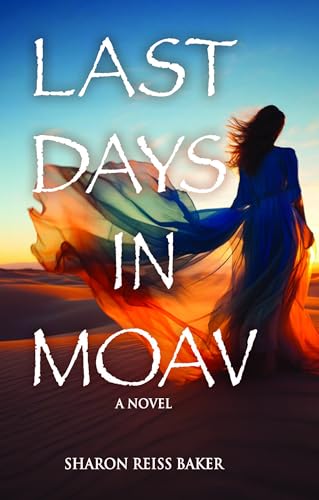
Milcah and Gidon possess a supernatural gift for healing, though some people in their tribe whisper that the twins use magic or the help of Egyptian gods. With an ailing mother and an older brother lost to a flood, they’ve always lived on the margins. At 16, Milcah wants to be seen like other girls instead of feared. Gidon, born with a clubfoot and the ability to foresee disastrous weather, has accepted the fact that he’ll likely never have a family of his own. As Moses’s people stand on the brink of crossing into the Promised Land, a family betrayal forces Milcah onto a dangerous new path. Yet it’s better than the alternative: forced marriage to a merciless bully.
The novel unfolds through four different voices from the same family, including the watchful spirit/rapha of the twins’ late brother, Netanel. It’s an emotionally painted portrait of secrets, misunderstandings, and betrayal that fractures one family’s most precious gifts. Our spirit narrator, while unable to effect changes, reflects on the changes coming for his family and the challenges associated with letting go of the past. The author skillfully capitalizes on a poignant interplay of a helpless Netanel who desperately wants to reach to his siblings from beyond the veil and those in a position to help but whose fear blinds them to the truth. Milcah’s and Gidon’s personal struggles and continued ties to grief add heartfelt depth. Each voice is distinct in how it views and interacts with the world. The narrators offer youthful and sympathetic perspectives amidst a setting rich in herbal lore, bygone landscapes, mysticism, and daily life in a tribal culture–anchoring the narrative in time and place. This blend of family turmoil, grounded historical detail, and coming-of-age journeys creates a layered, immersive narrative. Recommended. Young adult.