Finding Albion
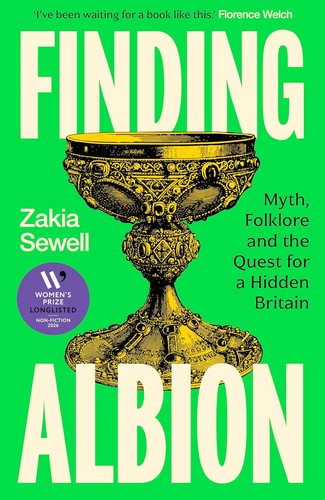
Finding Albion is an exploration of historical myths which underpin imperialist notions of British identity, such as the greatness of the Empire or that Britain single-handedly defeated the Nazis, and an argument for replacing them with more inclusive and nuanced narratives. Histories of Empire, for example, must incorporate the stories of enslaved and colonised people.
Sewell seeks to counter these myths by turning to versions of “older stories, customs and traditions” which reflect different cultural values, such as closeness to the land, inclusiveness, and the richness of cross-cultural influences. It is not so much a search for tradition as for updated, even invented, customs and rituals which reflect an alternative national identity. Indeed, Sewell criticises some older traditions, pointing out the class, race and gender assumptions inherent in them, as well as the co-option of folk culture by racist organisations.
Her year-long search for alternative stories starts with a journey to Glastonbury for the spring equinox, and ends with the spring equinox at Stonehenge. She visits Oxford for May Day, Wales for the summer solstice, the Notting Hill Carnival. She meets folk singers, Druids, carnival masqueraders, and celebrates folk forms which combine different cultural elements: music, costume, dance.
Although some historical background is included, such as an account of an 1851 brawl between poachers and gamekeepers, this is sketchy. If you are looking for a history of British myth and folklore, you might do better to read Ronald Hutton’s work. However, if you are interested in exploring the potential of myth and folk culture to forge a new national identity, one which not only embraces uncomfortable historical truths but speaks to shared human experiences, I recommend this engaging and illuminating book.