Feast
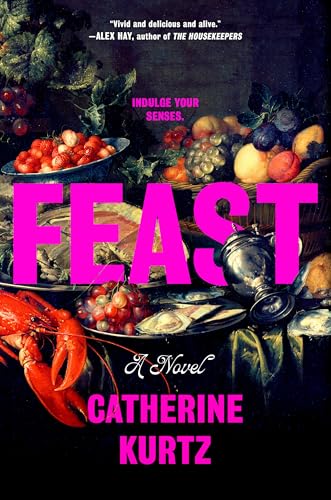
In 1899, Minha, the mixed-race daughter of a prostitute and a sailor, stows away on a ship to France after her grandfather, her caregiver for a decade, dies leaving her with her grandmother who cares nothing for her welfare. Lonely and penniless in a small village, Minha begs a lift on a vegetable cart to Le Château de Bellefalaise in search of work. Duc Nicolas de Bellefalaise is holding a banquet, and they are sure to need extra staff. From the outset Min is distrusted and frowned upon. Paranoid about being poisoned, the duc latches on to her peculiar gift, her extra-sensory taste, minutely distinguishing every ingredient, and employs her as his poison taster.
Feast has a fairytale-like quality, particularly the earlier parts—a magnificent castle on a hill, an abundance of feasting and raucous behaviour by the elite, sycophantic hangers-on, downstairs staff subservience, and a poor, ragged, lonely protagonist searching for love and acceptance and finding it only in nature’s beauty.
The prejudicial bias Min experiences is based on nothing but her dark skin. The castle minions make no attempt to befriend her or get to know her or welcome her into their clique, and there are very few light moments in her story. She remains an outsider in poverty, used and abused and taken advantage of. Jealousy breaks out when she is singled out as talented by the duc, particularly from the brutish chef.
Although the story did not resonate with this reviewer, it wields worthy themes of humanity’s endless struggles—envy, gluttony, greed and lust are notable, along with racism and the demonising of the ‘other.’ Feast is reminiscent of Süskind’s Perfume with its unique sensory theme running through the novel and may appeal to historical fantasy readers.