Asterios and the Labyrinth (Mythos of Knossos)
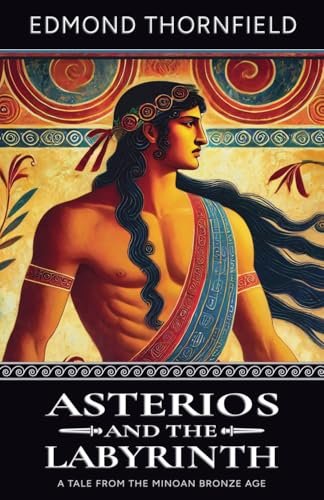
The storied reign of King Minos, ruler of Knossos on the island of Crete during the Bronze Age (circa 1700 BCE), is enveloped in many myths and legends into which this tale of his son, Asterios, offers an intriguing addition. It begins with Minos’s death propelling the ascent of Asterios to the throne, which is then immediately contested by fearsome rivals. As Asterios rises to the challenge, he must confront adversaries who mock him as a “queenly king” because of his heartfelt attachment to his male lover Phaistos, commander of the military forces of Knossos and a prince in his own right. Together, Asterios and Phaistos face many challenges from violent uprisings, personal attacks and animosity, and sovereign needs to sire royal children through arranged marriages to secure the realm. Crisis after crisis tests their mettle to stay true to each other while maintaining noble behavior in the worst of circumstances and treating others with all due righteousness. Supernatural forces from his mother, aunt, and sister add further drama to the mighty struggle to maintain the sovereignty of Knossos.
As compelling as its characters, plot, and setting are, the truly distinctive feature of this novel is the language in which it is written. Whether the prose style appears anachronistic or poetic may depend on the reader. For this reader, the style was very creative and literary although it could be demanding at times. When read slowly and thoughtfully, however, the language is to be savored. The dramatic entrances and exits of characters from scene to scene heighten the novel’s theatrical feel as well. Recommended for all historical fiction fans open to a unique reading experience.