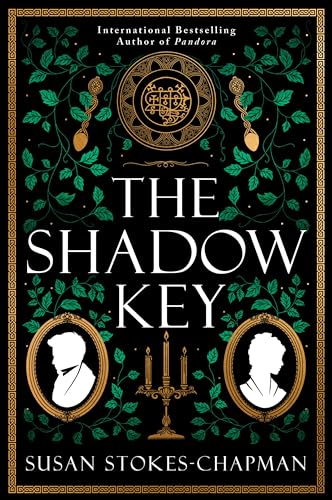
The Shadow Key
Henry Talbot accepts the vacant post of physician at Plas Helyg, an estate in Wales. He has lost his status as a respected London physician and now must accept this humble position. The 18th century is the age of enlightenment, and Henry is a man of science, so facing the superstitions and legends in this small country village becomes his biggest challenge. Heiress Linette Tresilian runs Plas Helyg. She is strong-minded and pragmatic, scandalously wearing her deceased father’s clothes. Devoted to her tenants, she works tirelessly on their behalf, trying to make amends for the past misdeeds of her ancestors. Linette’s uncle Lord Julian Tresilian, a shadowy and sinister character, and her mother Lady Gwen, lost to madness, both play significant roles.
At Plas Helyg, Henry is faced with hostile servants and villagers, his life threatened, his gatehouse cottage vandalized beyond repair, a mysterious vial containing poison, the strange death of the former doctor, the odd behaviors of Lord Julian and Lady Gwen, and more. Henry and Linette team up to find answers to these numerous mysteries. They come across a library of ancient texts, secret symbols, cryptic pictograms, coded messages, secret societies, hidden passages, clandestine ancient rituals, sacrificial ceremonies, bizarre costumes, and so on. The novel is cluttered with so much going on, but it isn’t hard to follow.
Many appealing characters will draw you in along with atmospheric and rich, descriptive nature writing of the Welsh countryside. As the novel progresses, it slides into bizarre, unbelievable territory. But after reading the Author’s Note, I gained a new appreciation for what the author has written. She acknowledges that this world of the occult is unbelievable but true; the history and how people fell into these beliefs are interesting. Her research was extensive and impressive. Readers who love all things around secret societies, cryptic signs, and the occult will sink in and enjoy.