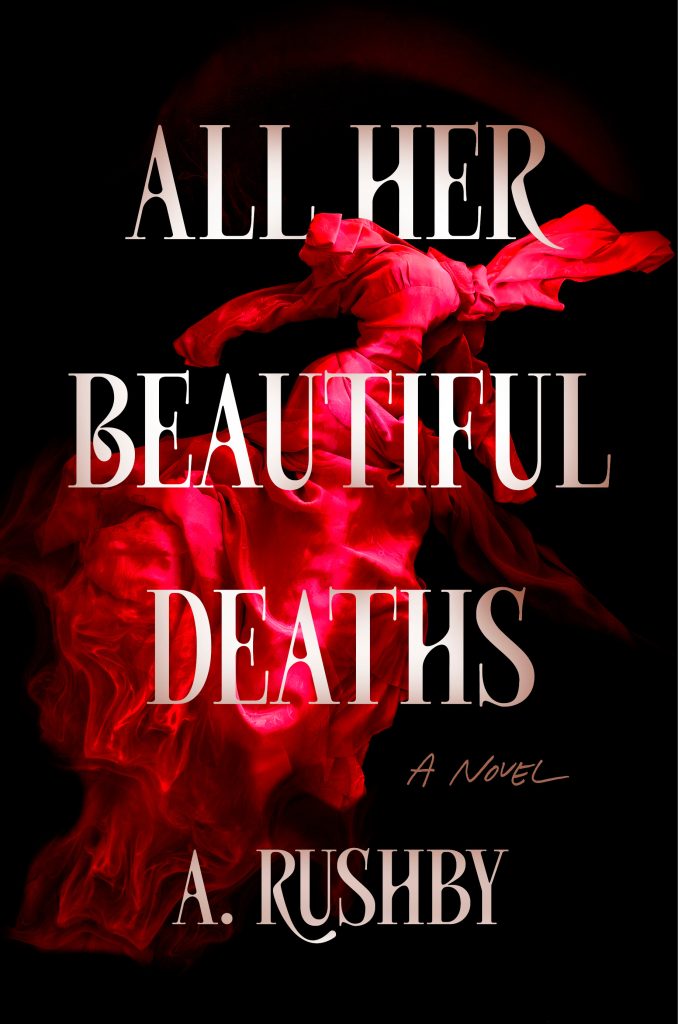
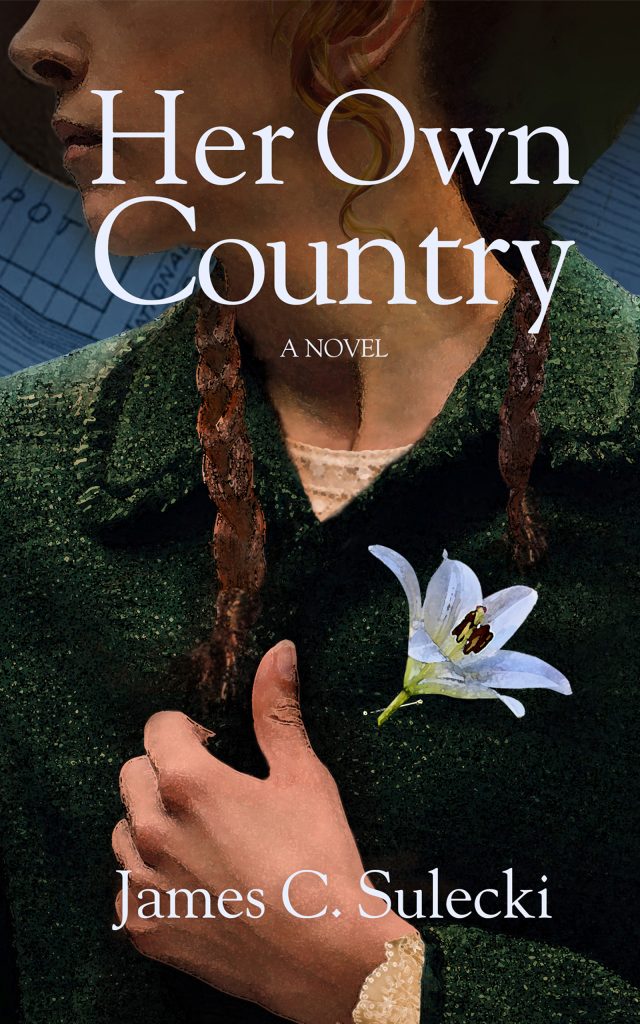
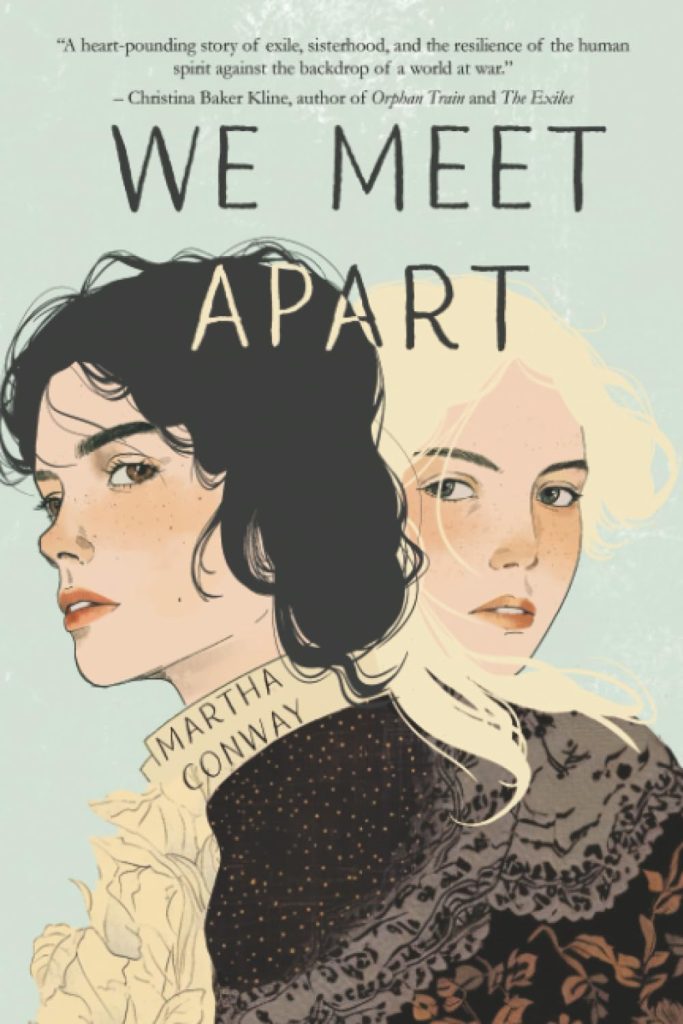
Winners & … Winners: The Benefits of Writing Competitions
WRITTEN BY REBEKAH SIMMERS & TRACEY WARR
 Stella Donovan just won The Next Big Story prize of $100,000 and extolled the competition for giving her, as an unpublished writer, financial support, endorsement, connections, and confidence. Competitions for writers deliver various benefits. We coordinate the Historical Novel Society’s First Chapters competitions and surveyed entrants for their views on how competitions help them. We also cast a net for writers’ experiences with competitions beyond the HNS.
Some competition entries have to be submitted by publishers, but others accept direct entries from writers. Some are for novels published in the last year, and others are for unpublished work. Many focus on unpublished or unagented writers, and a few accept entries from previously-published writers. Some focus on historical fiction, including the ARA Historical Novel Prize run by HNS Australasia, the Historical Writers Association Crown Awards, HNS First Chapters, and the Walter Scott Prize for Historical Fiction. Other general fiction competitions accept historical fiction submissions, including the Bath Novel Award, Blue Pencil Agency First Novel Award, Bridport Prize, Caledonia Novel Award, Cheshire Novel Prize, Coffee Pot Awards, Exeter Novel Prize, The Next Big Story Prize, Mslexia’s various competitions, Romantic Novelists’ Association’s Book of the Year Award, and Women’s Prize for Fiction. Historical fiction has made a strong showing in general fiction competitions with Hilary Mantel, for example, winning the Booker Prize twice.
Other competitions mentioned by writers we surveyed included the BookLife Prize, Chanticleer Book Awards, Foreword Indies, Globe Soup, IndieReader Discovery Awards, the IPPY Book Awards, the Selfies, and Self-Publishing Review Book Awards. The software program Book Award Pro offers assistance to authors in identifying and submitting to a wide range of competitions.
For prose there are many short story competitions, fewer novel competitions, and some children’s and young adult competitions. There are debut novel awards, flash fiction competitions, translated fiction prizes, and non-fiction prizes (such as Vine Leaves Press’s International Voices in Creative Non-Fiction). An increasing number of awards are open to self-published authors, and some are exclusively aimed at them, such as the Rubery Book Awards. Guides to the plethora of competitions are available online from reputable organisations, such as Reedsy (https://reedsy.com/resources/writing-contests/).
Although there is one overall winner in a competition, there can be many other “winners,” with those shortlisted also gaining benefits. The first advantage, whether your entry is placed or not, is that it gives you a deadline to hone your submission. In the absence of a publishing contract, other ways to give yourself a deadline, such as submitting work to a group of writing buddies or entering competitions, are useful to push writing on. Several authors reported competition deadlines helping to progress or complete a manuscript.
Nobody reported entering competitions specifically for the money! But some of the prizes offer substantial financial and other rewards, such as writing retreats or editorial or marketing consultations. The ARA Prize awards AUS$150,000 [ed. note: see the feature by Elisabeth Storrs in this issue], the Booker Prize pays out £65,000 to the winner and the shortlisted authors, The Next Big Story awards $100,000, the Society of Authors pays out £120,000 in the multiple awards it administers, and the Walter Scott Prize gives out £40,000.
Competition judges are often publishers, agents, editors, and established novelists. Entering competitions can lead to publishing contracts. For Tracey Warr, “I was runner-up in the Impress Prize with my first novel and was offered a publishing contract. I stayed with that publisher for a decade, through four more novels”. Some competitions offer publication as part of the prize.
Cynthia Anderson received the bronze medal in the 20th-century category in the HNS 2024 First Chapters. She subsequently received a two-book deal from Embla (part of Bonnier Books). The Pilot’s Wife, her first novel, was published this year. She says, “Winning a category bronze medal was a game-changer for me. It helped establish my credibility and, more importantly, my confidence as a writer. After I won the bronze medal in June, I revised it all summer based on beta reader feedback and agent feedback, found an agent in September and it was sold to a publisher in October! Writing competitions are a great inspiration to writers on their journey to publication, keeping them motivated and accountable as well as a wonderful way to connect with other writers.”
Catherine Hughes was on the HNS First Chapters 2024 shortlist for the Ancient to 16th-century category. Her novel, Therein Lies the Pearl, will soon be published by Historium Press. Catherine says, “The competition helped me get my book noticed and into the right hands!” Trish MacEnulty was an HNS biographical historical fiction finalist and her novel, The Woman with the Wicked Face, is now under contract with Histria Press.
Several entrants to HNS 2024 First Chapters gained agents on the back of being placed. The Cheshire Novel Prize showcases shortlisted authors to agents. The agency Jenny Brown Associates runs its own competition for debut writers over 50. Sidestepping the querying process, competitions with agent or publisher judges give an author the opportunity to take their shot at getting their work seen.
Not all competitions offer feedback, but it can be another advantage. Ben Bergonzi says, “In the query trenches we are working in a horrible ‘feedback vacuum’, and I think that any competition where feedback is provided has to be worth the entry fee”. Receiving constructive feedback from competition judges can be useful, especially if you do not have a writing group or need a pair of fresh, unbiased eyes on your work.
Encouragement is another benefit. Fija Callaghan reports that winning or being shortlisted for a competition is “a nice lift and something I can add to my query letters”. Ann Friedman reports on the tremendous boost from being in the top 100 for the Amazon.com Breakthrough Novel Contest. Warr recently had a similar experience when her latest work in progress reached the top 100 of the Bath Novel Award: “I knew the competition had received over 3,000 entries, so I felt pleased with that outcome”. Bergonzi’s A Cruel Corpse started out as an entry in a short story competition. He received encouragement from a judge, developed it further, entered another competition and received “actionable feedback” that helped him produce a novel ready to publish. Alison Morton comments, “When your books are shortlisted or in a competition final, you know that reputable outside judges have found your work to be high quality and to resonate with critical readers. This was especially important for me as a new writer at the beginning of my career and particularly as an author choosing the independent route.”
Communication, accessibility, and transparency are vital to how we aim to run HNS First Chapters. “People aren’t just reaching out to a void or something generic,” says Rebekah Simmers. We do our best to help everyone have a positive experience in entering the competition. “My favourite part,” writes Simmers, “is sending the notifications to those who have made the shortlists or been selected as category winners. It was really special to celebrate with everyone. People were so thrilled.” HNS First Chapters is open to writers (in English) from anywhere in the world and the shortlistees came from Australia, Europe, the US, and the UK for the awards ceremony at Dartington Hall, Devon, in 2024. The winner, Lenore Hart, received a trophy from judge and novelist Kate Quinn.
If your book is published, being able to mention an award in marketing materials or feature it on a book cover enhances a book’s profile and informs potential readers and buyers about the quality of a book. In the two weeks following Anna Burns’s Booker Prize win with Milkman, sales of her book shot from 963 to 18,786.
Some writers surveyed were sceptical and felt uncertain about which competitions are reputable. One author noted that not all competitions have “a rubric of how entries are judged, who the judges are, or how many other entries I am competing against, so it’s hard to know how much weight to place on the results”. Stella Donovan says, “There are so many predatory contests and programs that take advantage of unpublished writers and charge exorbitant fees while offering almost nothing in return.” T. L. Clark notes that her paranormal fantasy book, Love Bites, won a bronze medal in the 2018 Readers’ Favorite International Book Awards, but she is now wary of competitions: “There are far too many vanity awards where you pay a lot of money to enter, and there are innumerable awards offered. Indie authors are excluded from the big awards, which could possibly make a difference.” Brenda W. Clough says, “Scams abound. Avoid egregious fees. Look at who’s running the contest. Is it an entity of repute that’s been doing this a while, or is it two guys in their mom’s basement? Who are the judges, are they writers you respect or is it the two guys’ girlfriends?”
On balance, there seem to be more pros than cons, as long as writers do their due diligence on the competitions. And there are other positive effects. The Booker Prize funds a Creative Writing MA scholarship at the University of East Anglia. In 1983, Fay Weldon used the Booker competition to campaign for authors and to attack the publishing industry’s treatment of authors. Her speech still makes heady and resonant reading (https://thebookerprizes.com/the-booker-library/features/how-fay-weldons-anti-publisher-speech-became-one-of-the-booker-prizes). The Next Big Story Prize is run by The Novelry, founded by another Booker Prize-listed author, Louise Dean.The HNS First Chapters 2026 Category Shortlists will be posted on 1 March, and the overall winner will be announced at the conference in Maynooth, Ireland in August. See https://hns2026.com/competition. You can see more on the outcomes of the HNS First Chapters 2024 at https://hns2024.com/hns-uk-2024-first-chapters-competition.
Thank you to the authors who took the time to share their thoughts for this article.
About the contributors: Rebekah Simmers co-organises the HNS First Chapters Competitions. She is part of the HNS Website Interviews team and was part of the HNS UK 2024 conference team. She is the author of The King’s Sword. https://rebekahsimmers.com. Tracey Warr has published six historical novels https://meandabooks.com. She led the HNS UK 2024 conference and co-organises the HNS First Chapters Competitions. She is working on a biography, and her next medieval murder mystery, Salt’s Wound, is published this year.
Published in Historical Novels Review | Issue 115 (February 2026)