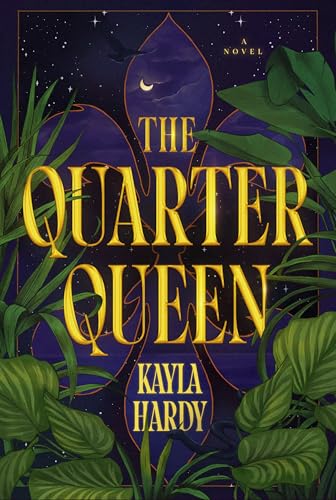
The Quarter Queen
Fans of Anne Rice’s vampire novels will love this eventful imagining of the coming-of-age of Marie (“Ree”) Laveau II, the heir to the spiritual legacy of the famous Marie Laveau, the “Voodoo Queen of New Orleans.” Hardy, a scholar of folklore and mythology, packs an amazing amount of cultural detail into this epic clash between the forces of good, evil, and the gods. Both Laveaus were historical figures who played a pivotal role in the lives and activities of the free colored community of the 19th century, combining showmanship, spiritual guidance, and business savvy as they presided over the practice of Vodun/Voodoo (Creole meldings of Afro-Caribbean religions with Catholicism), which spread throughout enslaved cultures from the southern US to South America.
In Hardy’s version, Marie and her daughter’s magic is real, as are the divine loas for whom they are conduits, and the “root medicine” that confers powerful abilities to prophesy and enter the spirit realm. Another source of magic is wielded by the white Alchemists who have preserved an uneasy truce with both Voodoo and the Catholic Church. Hardy narrates in dual timelines, in the points of view of both Maries, as each – 24 years apart – faces a mortal threat involving the man she loves. Marie Senior seizes her own power with the help of her lover, Jon the Conjuror, but learns that the price of that power may be her own daughter. Ree, even more powerful than her mother, must decide between her childhood love – an Inquisitor for the Church sworn to wipe out Les Magiques, the many people of color enslaved to harness their magic – and the destiny that might spell the end of the fragile balance New Orleans has built. The novel builds to a huge, satisfyingly magical conclusion, but promises more to come.