Nahia
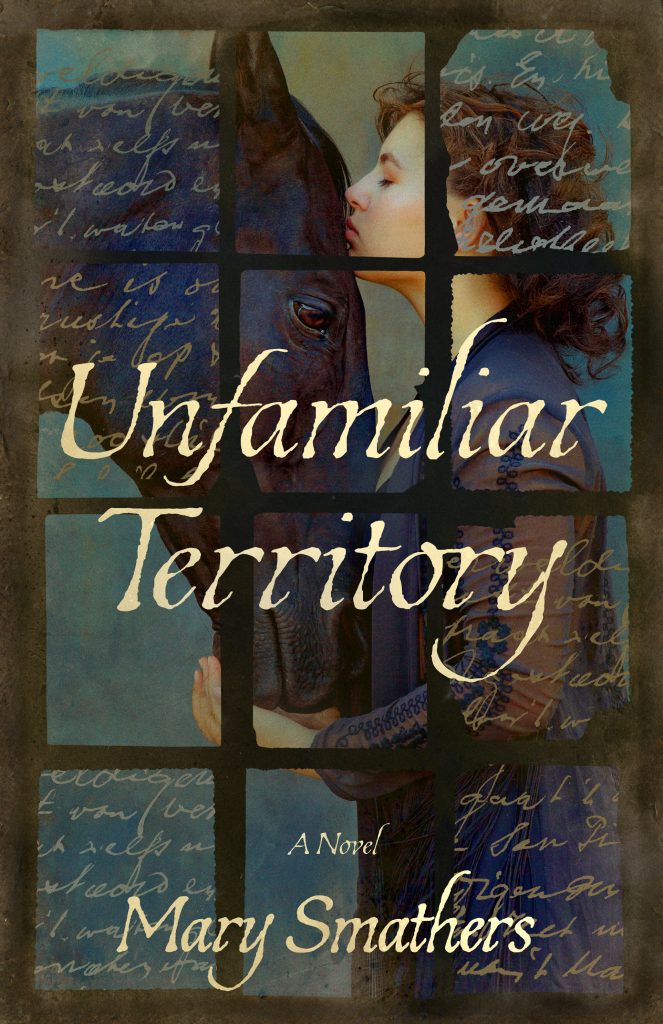
In Spain 8,000 years ago, Nahia (first daughter and future headwoman of her band) speaks up when she shouldn’t by questioning her mother in front of everyone. Stories of strangers raiding and killing other bands and kidnapping their women have Nahia concerned, but her mother refuses to listen. The next day, she finds herself apprenticed to a shaman and her twin sister, Izara, replacing her as first daughter. Disgraced and cast out of her home, Nahia and the shaman, Eneko, travel far. As Nahia begins to unlock her own powers, the vision she sees reveals a heart-wrenching picture: her mother and sister alone, their camp in ruins. Nahia knows she must try to help the people who turned their backs on her, but what will she find when she returns?
The book captures a pivotal era when societies transitioned from foraging to farming, leading to the establishment of permanent settlements. Amidst this transformation, the author effectively portrays the fear and confusion experienced by her characters. Nahia, deeply connected to the land, senses the shifting and receding balance of nature.
As Nahia embarks on her shaman training, she grapples with the fear of losing her identity and is challenged to decide who she’ll become as the story unfolds. Many attempt to mold her to their expectations. She’s a headwoman’s daughter, a shaman-in-training, a sister, but which of these paths will guide her future? Can she transcend the definitions that have long bound her people? The book’s mid portion as Nahia hones her powers slows in pace a bit. Nahia doesn’t fully comprehend when she succeeds, so there isn’t a sense of accomplishment. However, her growth in the book’s last section is gratifying. A captivating, well-crafted, informed tale about the Mesolithic-Neolithic transition suitable for upper YA to adult readers.