Boudicca
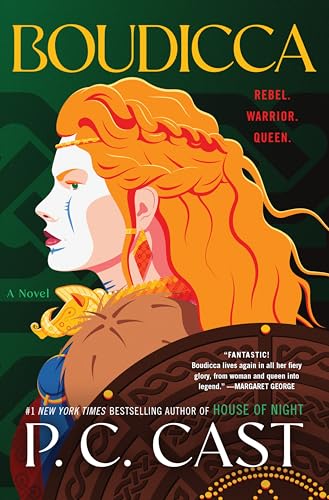
AD 60/61. Iceni chief Prasutagus is dead, his 33-year-old wife Boudicca now the accepted queen of Tribe Iceni. When tax collector Decianus and his centuria attack the Iceni settlement of Tasceni without warning, Boudicca is viciously flogged, her two young daughters brutally gang-raped, and the tribe is decimated. In the name of the tribe’s patroness, the goddess Andraste, Boudicca vows vengeance for her people. Acknowledged as a trained warrior and War Queen, she allies with the Trinovantes to lead successful attacks on Camulodunum, Londinium and Verulamium, then withdraws to prepare for all-out war to expel the Romans from Britain.
Cast’s epic story is crafted around events chronicled by Roman historian, Tacitus, whose father-in-law, Agricola, was an eyewitness to the uprising. Happily, the author doesn’t rely on modernisations, yet the story and its lessons are easily accessible to today’s audiences, as its characters bound with dynamic life. The thoughts and feelings of the tribe are felt through details of their life and culture told by Boudicca in her gripping story. Cast handles a long list of characters, tribes, towns and areas of ancient Britain with seeming ease, without need for introductory maps or indexes. Modern thinkers might tag this as feminist, but Boudicca’s life, in an age when warriors both male and female respected her leadership, meant they followed her unquestioningly into the face of death at her command. Female autonomy wasn’t something she needed to prove. As she emerges from queen of a peaceful, prosperous settlement to goddess-protected warrior, we walk with her daughters through their slow recovery from assault and degradation. The rape, flogging and subsequent healing journey are graphic but treated with great compassion. This is an exemplary work and one which helps us to truly appreciate Boudicca and the tribes of Britain’s enormous sacrifice. Few novels evoke the emotion that this does in its closing chapters.