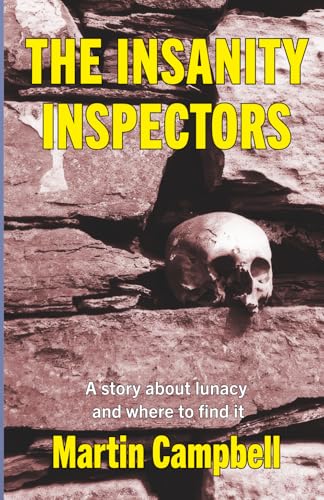
The Insanity Inspectors
Inverness, 1864: Campbell’s novel is inspired by what was known as the ‘Lunacy Act’ which came into force in Scotland in 1858, establishing Lunacy Commissioners, whose task was to regulate the conditions under which every lunatic in the country was kept (Campbell sticks with the term ‘lunatic’ as it was in common usage at that time). The author’s background is in clinical psychology which, combined with impeccable research, gives his narrative considerable credibility. Individual case notes are heartrending, taking the reader into a world remote in time and geography echoing the setting of His Bloody Project. Respectful of his long-dead subjects, he anonymises them. The new asylums were in theory founded to offer protection and shelter from harm (such as being caged in a remote croft, or housed with livestock) in accordance with the fundamental meaning of their title, but they quickly became overcrowded, squalid and often cruel.
The idealistic and hardworking protagonist Lennox Cameron, lately arrived from Australia, has to navigate nepotism in the Commission, dishonest use of parish funds, crofter superstitions regarding the care of the mentally ill, Victorian preoccupations about the relationship of intellectual with moral insanity and exhausting and lengthy journeys from genteel Edinburgh to the rural north where distrust of authority is an inheritance of the Clearances. The story is told partly in Lennox’s own words, and in diverse third-person voices, the latter including that of his nemesis, an avaricious quack preying on distraught relatives desperate for a cure for their loved ones; this man’s comeuppance is both appropriate and horrifying. This switching of point of view and some confused chronology make at times for a disorientating narrative, but Campbell nevertheless succeeds in compellingly telling the stories of those who were denied a voice, doing so without sensationalism.